Following through on a highly anticipated election promise, the newly launched flagship welfare program begins Direct Benefit Transfers, completely replacing the older format with doubled monthly allowances.
 Brajesh Mishra
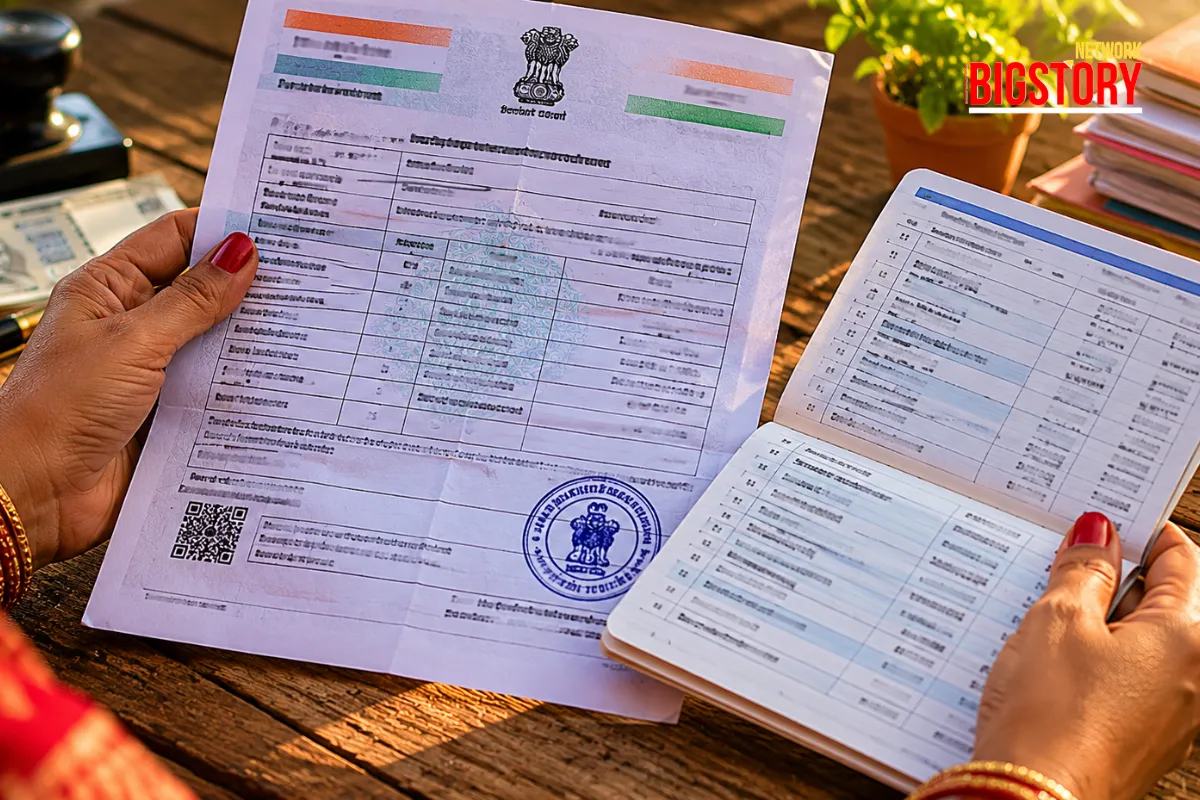
• What happened: The first phase of cash payouts under West Bengal's flagship Annapurna Bhandar Scheme has officially rolled out today via Direct Benefit Transfer (DBT).
• Why it matters: Eligible women across the state are actively receiving an elevated allowance of ₹3,000 per month, completely replacing the older, lower-paying Lakshmir Bhandar format.
• The strategic play: While existing beneficiaries are being automatically migrated, the government has launched a strict door-to-door verification drive using the SIR-2026 database to catch duplicate or wealthy claimants.
• India's stake: The massive rollout highlights a broader structural trend of state governments leveraging targeted direct cash transfers combined with biometric verification to optimize social security networks.
• The deciding question: As the BDO and SDO verification rounds conclude over the next 90 days, will the backend fiscal audit cause widespread friction for families flagged under the strict new asset criteria?
The massive financial rollout has officially begun. Following through on its highly anticipated assembly election promise, the West Bengal government’s newly launched Annapurna Bhandar Scheme is active as of June 1, 2026.
Chief Minister Suvendu Adhikari announced that the first phase of Direct Benefit Transfer (DBT) fund transfers is rolling out today, Wednesday, June 3, 2026. Millions of women across the state are starting to receive their first elevated monthly allowance directly into their bank accounts.
The Annapurna Bhandar Scheme, which completely replaces the previous government’s Lakshmir Bhandar program, effectively doubles the financial aid to a flat ₹3,000 per month across all eligible categories.
For those already enrolled in the previous system, there is no need to panic about re-applying. The state government has automatically migrated existing verified beneficiaries directly into the Annapurna database to ensure their June payment hits seamlessly.
However, the administration has enforced a strict administrative mandate. Because this scheme functions exclusively through the central Direct Benefit Transfer (DBT) network, funds are landing only in individual, single bank accounts that are strictly linked and seeded with identification records. Joint accounts or unseeded accounts will see temporary processing freezes until updated.
For women who are not yet part of the social security net, a massive 90-day physical and digital enrolment window opened on June 1.
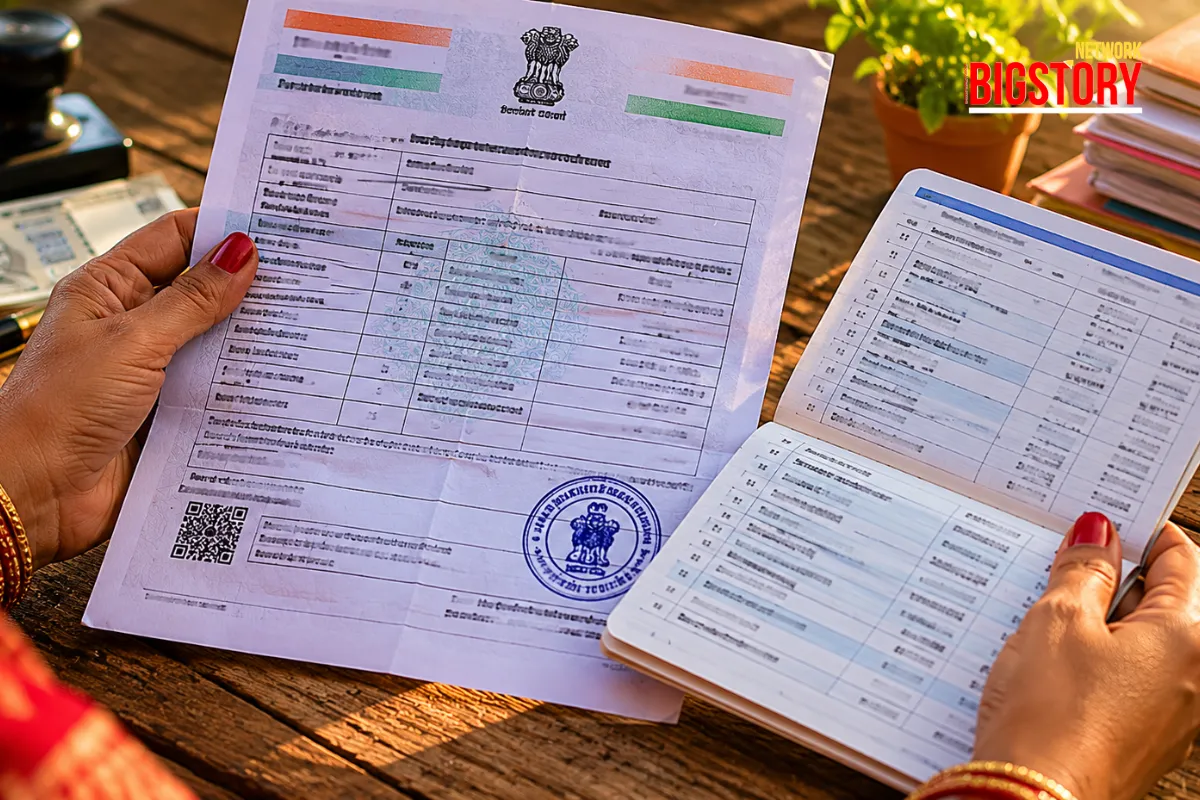
To eliminate administrative red tape, the government has directed Block Development Officers (BDOs) in rural districts and Sub-Divisional Officers (SDOs) in urban municipalities to deploy teams door-to-door. Officials and local supervisors are physically visiting households to help eligible women fill out the extensive 12-page application form.
For physical collection and spot-verification, the state will also set up decentralized "Janakalyan Shibir" camps across all wards and panchayats from June 15 to June 17, 2026.
To double down on women's welfare alongside the ₹3,000 allowance, the state has also officially made all state-government operated bus travel completely free for women and young girls starting this week.
Mainstream coverage is treating the rollout as an unconditional financial blessing, but the "Missed Angle" that few are talking about is the quiet backend cleanup happening via the State Identification Register (SIR-2026).
While doubling the monthly payout looks like a straightforward political populist move, the government is subtly using this transition to weed out massive numbers of ghost beneficiaries. The new 12-page form asks for highly precise data regarding household assets, including ownership of two- or four-wheelers. It explicitly filters out anyone liable for income tax or holding even minor employment in government-aided schools, local bodies, or panchayats.
Millions will successfully get their money today, but thousands of families who fell through the cracks of the old loosely verified system are bound to be flagged and cut off over the next 90 days as the aggressive BDO and SDO verification rounds conclude. This is as much a fiscal containment strategy as it is a welfare expansion.
• Government of West Bengal: Official Portal and Social Welfare Department Circulars
• Press Information Bureau (PIB): Direct Benefit Transfer (DBT) Central Database Guidelines
• The Hindu: National Bureau and State Welfare Policy Updates
• The Economic Times: State Finances, Demographics, and Macro-Welfare Expenditure Indicators
 Exclusive Content





Sign up for the Daily newsletter to get your biggest stories, handpicked for you each day.

 Trending Now! in last 24hrs